
How Climate and Soil Influence Farmland Value
When people evaluate farmland, they often focus on location, price, and legal documentation. While these are certainly important, two of the biggest factors influencing a property’s long term value are often overlooked: climate and soil.
The quality of the soil and the local climate directly affect productivity, sustainability, future development potential, and ultimately, the appreciation of your investment.
Whether you’re buying farmland for agriculture, plantation, a farmhouse, or long term wealth creation, understanding these natural factors can help you make a smarter investment decision.
Why Soil Matters in Farmland Investment
Soil is the foundation of every successful farmland investment.
Healthy soil supports:
- Better plant growth
- Higher agricultural productivity
- Long term sustainability
- Improved water retention
- Greater plantation success
Even if you don’t plan to farm immediately, fertile soil contributes significantly to the future value of your property.
Understanding Different Soil Types
Not all soils are equally suitable for every purpose.
Some common soil types include:
Black Soil
Rich in nutrients and excellent for crops like cotton, sugarcane, and pulses. It retains moisture well and is highly valued for agriculture.
Red Soil
Found across many parts of India, red soil supports crops such as groundnuts, millets, and fruits when managed properly.
Laterite Soil
Common in hilly and high-rainfall regions, laterite soil is suitable for plantations, horticulture, and certain fruit crops with appropriate soil management.
Alluvial Soil
One of the most fertile soil types, alluvial soil is ideal for a wide range of crops and often commands strong market demand.
Understanding the soil type helps buyers evaluate the land’s long term potential.
The Role of Rainfall
Climate has a direct impact on farmland value, and rainfall is one of its most important components.
Regions with consistent rainfall generally offer:
- Better groundwater recharge
- Healthier plantations
- Lower irrigation costs
- Greater agricultural stability
Areas that receive balanced rainfall often experience stronger long term demand among farmland buyers.
Water Availability and Climate
Climate and water availability go hand in hand.
Before investing, consider:
- Annual rainfall patterns
- Borewell potential
- Nearby rivers or lakes
- Rainwater harvesting opportunities
- Groundwater levels
Reliable water resources make the land more productive and attractive to future buyers.
Topography Influences Usability
The physical shape of the land plays an important role in determining its value.
A good farmland plot typically has:
- Gentle slopes for natural drainage
- Stable ground
- Easy road access
- Minimal erosion risk
Extremely steep or uneven land may require additional development before it can be fully utilised.
Understanding topography helps buyers estimate future development costs.
Crop Suitability Adds Long Term Value
Different regions naturally support different crops.
Factors such as:
- Soil fertility
- Rainfall
- Temperature
- Humidity
- Elevation
all influence what can be successfully grown.
Land that supports fruit orchards, plantations, organic farming, or agroforestry often enjoys higher long term demand because of its versatility.
Climate Change and Future Demand
Today’s investors are increasingly considering how climate change may affect future land values.
Properties located in regions with:
- Stable rainfall
- Healthy ecosystems
- Sustainable water resources
- Lower environmental risks
are expected to remain attractive for both agricultural and lifestyle purposes.
Long term resilience is becoming an important factor in farmland investment decisions.
Natural Beauty Also Creates Value
Climate doesn’t just affect farming. It also shapes the lifestyle experience.
Pleasant weather, greenery, fresh air, and scenic surroundings make farmland more attractive for:
- Weekend homes
- Farmhouses
- Family retreats
- Eco-tourism
- Nature-based living
As more urban families seek peaceful escapes from city life, naturally beautiful locations continue to see increasing demand.
Infrastructure Still Matters
Even the best climate cannot compensate for poor infrastructure.
When evaluating farmland, consider the complete picture:
- Climate
- Soil quality
- Road connectivity
- Legal clarity
- Water availability
- Security
- Future development
The combination of natural advantages and modern infrastructure creates the strongest investment opportunities.
Where Nature Meets Thoughtful Development
The best farmland projects are those that work with nature rather than against it.
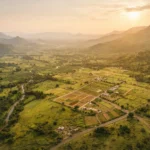
At Mahabhoomi, projects like The Breathing Village and River Mango Estate have been carefully planned in the naturally scenic surroundings of Kalamb, near Khopoli Pali Road. The region offers favourable climatic conditions, lush greenery, and landscapes that complement thoughtfully designed plantations and premium infrastructure. Combined with legally verified ownership and transparent documentation, these communities provide buyers with an opportunity to invest in farmland that balances natural beauty with long term appreciation potential.
Questions to Ask Before Investing
Before purchasing farmland, ask these important questions:
- What type of soil does the property have?
- How much annual rainfall does the area receive?
- Is water available throughout the year?
- What crops or plantations grow well here?
- Does the land have proper drainage?
- Is the terrain suitable for future development?
- Will climate conditions support long term appreciation?
The answers will help you assess both the practical and financial potential of the property.
Final Thoughts
Climate and soil are two of the most valuable natural assets a farmland property can possess. While legal verification and location remain essential, understanding the land’s environmental strengths allows you to make a more informed investment.
Healthy soil, reliable rainfall, suitable topography, and favourable growing conditions not only improve agricultural productivity but also increase the long term value and desirability of farmland.
When you invest in a location where nature and thoughtful planning come together, you’re investing in a property with the potential to deliver both lifestyle benefits and lasting financial growth.
4 thoughts on “How Climate and Soil Influence Farmland Value”
Comments are closed.
Relevant Articles
-
 30 Aug 2026How to Plan Your Farmland Investment Based on Your Budget
 -
 23 Aug 2026Farmland Investment vs Other Real Estate Investments.
 -
 16 Aug 2026Farmland as a Family Asset
 -
09 Aug 2026Why Transparent Developers Make Better Long Term Investments?
-
02 Aug 20265 Signs You're Buying Farmland in the Right Location
-
 26 Jul 2026How to Evaluate a Farmland Project in Under 30 Minutes
Experience Better Land Ownership with Mahabhoomi
Own a piece of nature with strong future potential, designed for both peaceful living and smart investment.
Pingback: How to Evaluate a Farmland Project in Under 30 Minutes - Mahabhoomi
Pingback: 5 Signs You’re Buying Farmland in the Right Location - Mahabhoomi
Pingback: Why Transparent Developers Make Better Long Term Investments? - Mahabhoomi
Pingback: Farmland as a Family Asset - Mahabhoomi